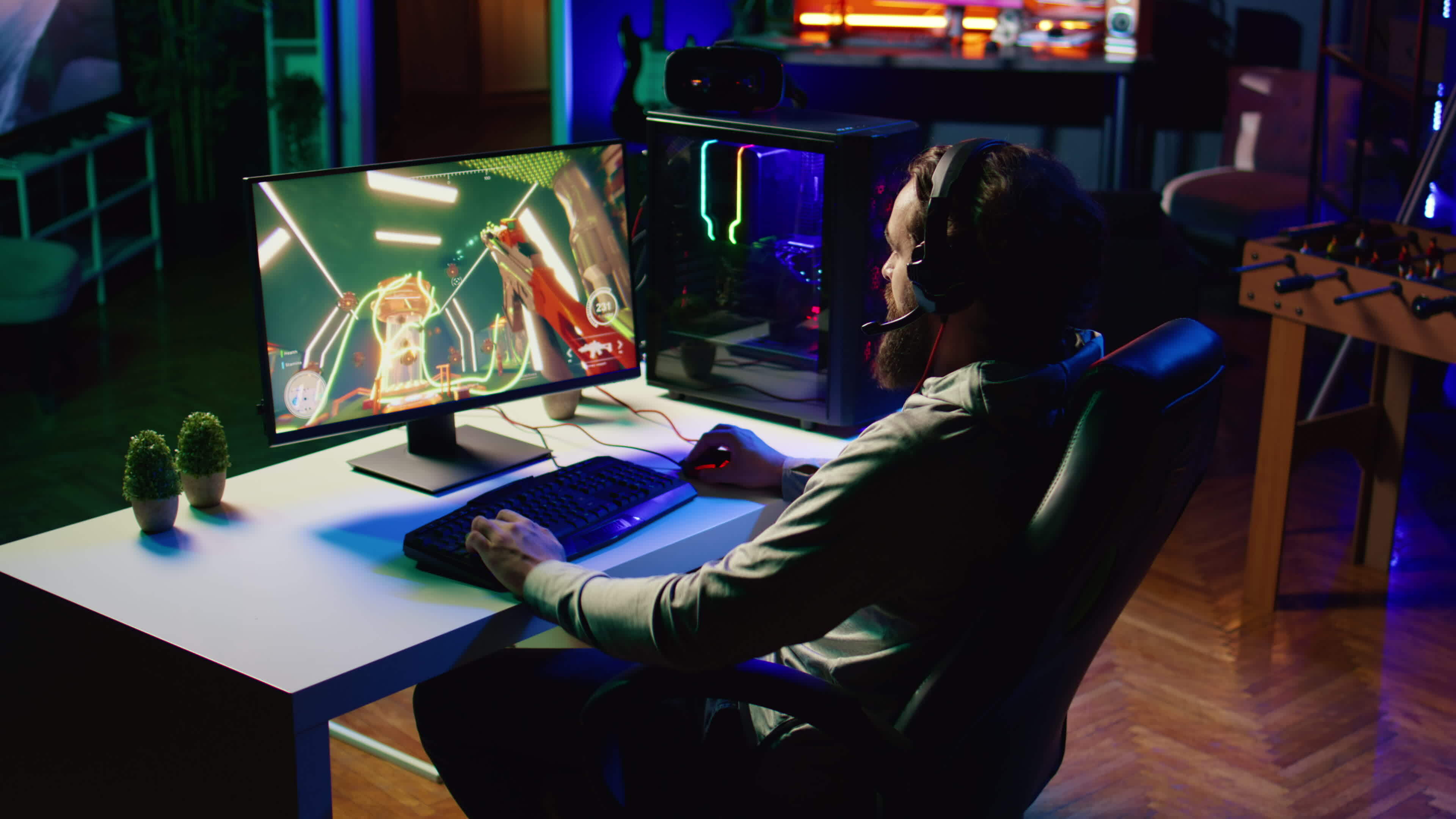
The evening settles over Dublin like a familiar blanket. Glowing windows in student flats reveal silhouettes bent over laptops, whilst queues snake around the corner from intimate music venues. In Temple Bar, the traditional hum of conversation spills onto cobblestones, mixing with the synthetic bleeps of arcade machines and the distant thrum of electronic music. At every corner, Dubliners face the same question: step out into the city’s vibrant streets, or settle into the digital glow of home?
In 2025, leisure has become delightfully hybrid. The boundary between online and offline has blurred into something more fluid, more personal. Dublin, with its historic pub culture and growing tech scene, has become a fascinating case study in how urban entertainment adapts when the physical and digital worlds stop competing and start collaborating.
The Barcade Renaissance
Walk down Capel Street or into the Liberties, and you’ll encounter a peculiar time warp. Neon signs flicker above doorways, promising craft beer and pixels in equal measure. Inside, Dublin’s new wave of “barcades” hums with activity – vintage arcade cabinets line exposed brick walls, pinball machines ding and flash, and 8-bit soundtracks provide an unlikely backdrop to conversations about work, relationships, and whether Pac-Man or Space Invaders deserves top billing.
This nostalgic aesthetic resonates powerfully with Dublin’s younger crowd, many of whom never experienced these games in their original context. There’s something irresistibly tactile about actual buttons and joysticks in an age of touchscreens and controllers. The ritual is simple: order a locally brewed IPA, challenge a mate to Street Fighter II, and let the evening unfold in a haze of friendly competition and retro soundscapes.
These venues aren’t merely capitalising on nostalgia – they’re creating genuine community spaces. Thursday nights see impromptu tournaments forming around Mortal Kombat cabinets, whilst weekend afternoons attract a quieter crowd who appreciate the low-pressure socialising that comes with having something to do with your hands.
The Intimate Gig Economy
Dublin has always punched above its weight musically, and in 2025, that reputation rests increasingly on its network of small venues. Whelan’s, The Workman’s Cellar, Button Factory, and a dozen other spots scattered across the city centre host an almost constant rotation of live music. On any given Thursday night – the traditional pre-weekend warm-up – you might catch an emerging indie band, a folk session, or experimental electronic acts testing new material on forgiving audiences.
The appeal of these intimate spaces has grown as arena concerts have become increasingly corporate and expensive. Here, for the price of a few pints, you can stand metres from performers, feel the sweat and energy of a room that holds maybe 200 people, and discover your new favourite band before they’re playing festivals.
Dublin’s DIY music culture thrives in these venues. Local bands promote gigs through Instagram stories and WhatsApp groups, creating a grassroots network that feels refreshingly human in an algorithmically-curated world. The Thursday night energy is particularly special – not quite weekend madness, but far from midweek lethargy, it strikes a perfect balance for those seeking connection without chaos.
VR Clubs and Digital Experiments
At the more experimental end of Dublin’s nightlife spectrum, virtual reality spaces and immersive installations are carving out their own niche. Former warehouses in the Docklands have been transformed into digital playgrounds where visitors don headsets and step into worlds limited only by imagination and processing power.
These aren’t simply gaming centres – they’re social experiments. Groups of friends might spend an evening collaborating in VR escape rooms, exploring digital art installations that respond to movement and sound, or attending virtual concerts where the laws of physics need not apply. Dublin’s growing reputation as a tech hub has attracted digital artists and experience designers who see the city as an ideal testing ground for their projects.
What draws people to these spaces? Novelty, certainly, but also something deeper. In a world where we’re constantly stimulated by screens, there’s an ironic appeal to technology that demands your full presence. You can’t scroll your phone while immersed in VR. The experience becomes all-consuming, offering a strange kind of digital mindfulness.
Pub Quizzes and the Art of Conversation
Yet for all Dublin’s technological evolution, some traditions remain beautifully analogue. The pub quiz – that most Irish of institutions – continues to draw crowds every night of the week. Teams huddle around tables, pints within easy reach, debating whether the capital of Mongolia is Ulaanbaatar or Ulan Bator, and whether that difference even matters for points.
These evenings aren’t really about winning, though the competitive spirit runs deep. They’re about the ritual of gathering, the shared groaning at terrible puns in the host’s questions, the mock outrage when another team’s dubious answer somehow gets marked correct. In a city where genuine conversation can feel increasingly rare, pub quizzes create structured opportunities for wit, laughter, and that particularly Irish form of good-natured slagging.
For many, these nights have become the antidote to louder, more chaotic social events. There’s something reassuringly predictable about a Tuesday quiz at your local – same faces, same questionable pizzas from the kitchen, same friendly rivalry with the team that always wins the music round.
The Digital Living Room
Of course, not every Dublin evening involves leaving the flat. The city’s digital nightlife exists just as vibrantly in student accommodation and shared houses across the northside and southside. Laptops glow with Netflix series, phones stream Twitch broadcasts, and gaming consoles facilitate everything from solo adventures to international multiplayer sessions.
What’s interesting is how these activities increasingly overlap. Young Dubliners might watch a film whilst messaging friends, play mobile games during Zoom calls, or use Discord to maintain running conversations whilst everyone does their own thing. The old model of focused attention on a single entertainment source has given way to something more fluid and multitasking.
Within this broader digital leisure culture exists a multitude of niche interests and platforms. Some gravitate towards competitive gaming, others towards creative streaming communities. A segment of the online entertainment world includes alternative platforms such as casinos without GamStop, though this represents merely one small facet of the vast ecosystem of digital evening entertainment that Dubliners navigate.
The appeal of staying in isn’t about isolation – it’s about control. You choose your soundtrack, your pace, your company (even if that company exists in a chat window rather than across the sofa). For a generation balancing demanding jobs, expensive city living, and genuine exhaustion, the option to socialise from home has become not just convenient, but essential.
Where Online Meets Offline
The most fascinating aspect of Dublin’s 2025 leisure landscape is how seamlessly the physical and digital worlds now interweave. It’s no longer unusual to see groups meet at a pub after finishing a cooperative gaming session, their conversation flowing naturally between in-game achievements and real-world plans.
Local musicians build followings through TikTok and Instagram before packing out small venues. Indie game developers host launch events at Dublin pubs and arts centres, projecting their creations onto walls whilst attendees sip pints and offer feedback. Community Discord servers organise real-world meetups, and those pub quiz teams maintain WhatsApp groups that buzz with banter all week.
This hybrid existence – neither purely online nor entirely offline – has become the default mode for many Dubliners. The question isn’t “digital or physical?” but rather “which combination tonight?” Perhaps you start the evening watching a stream, text a few mates, and end up at a barcade by 10pm. Or you attend a gig, post clips to Instagram Stories, and continue discussing the performance in group chats long after stumbling home.
A City on Two Levels
Dublin in 2025 operates simultaneously across two planes of existence. Walk its streets and you’ll find the centuries-old pub culture alive and well, Georgian doors opening onto warm, conversation-filled rooms. Look closer and you’ll see the digital layer – QR codes on tables, Instagram-worthy murals, venues live-streaming performances to virtual audiences, and people’s faces lit by phone screens as they share the moment even as they live it.
The city’s residents have become adept at code-switching between these modes. They understand when to put phones away and be present, and when pulling out a device enhances rather than diminishes the experience. They know which evenings call for the chaos of Temple Bar and which demand only a laptop, decent Wi-Fi, and comfortable pyjamas.
Some nights want noise – the crash of pint glasses, the digital gunfire of arcade shooters, the roar of a crowd as a band launches into their best-known song. Other nights crave silence, or at least the curated silence of noise-cancelling headphones and carefully chosen playlists. Dublin accommodates both, and everything in between.
The charm of the city’s digital night lies precisely in this diversity. You’re free to design your evening according to mood, budget, energy level, and social appetite. Want to spend three hours immersed in VR whilst strangers become collaborators? Grand. Prefer a quiet pub quiz with the same six people you’ve known for years? Equally valid. Feel like staying home, ordering takeaway, and falling down a YouTube rabbit hole? Nobody’s judging.
As the lights of Dublin flicker between old street lamps and new LED installations, between candles in pub windows and the glow of a thousand screens, the city pulses with possibility. Its digital night isn’t replacing the traditional one – it’s expanding it, complicating it, making it richer and stranger and more personal than ever before.
And perhaps that’s the real story here. Not that technology is changing Dublin’s nightlife, but that Dublin – adaptable, sociable, always up for the craic – is shaping technology to fit its own unique rhythm.
Feature Image Source: vecteezy.com